
Maintenance & Lifespan Guide…
How Long Do Tensile Structures Last?
At Archilexis, we believe a tensile structure shouldn’t just look beautiful on Day one, it should continue delivering value for years with minimal maintenance.
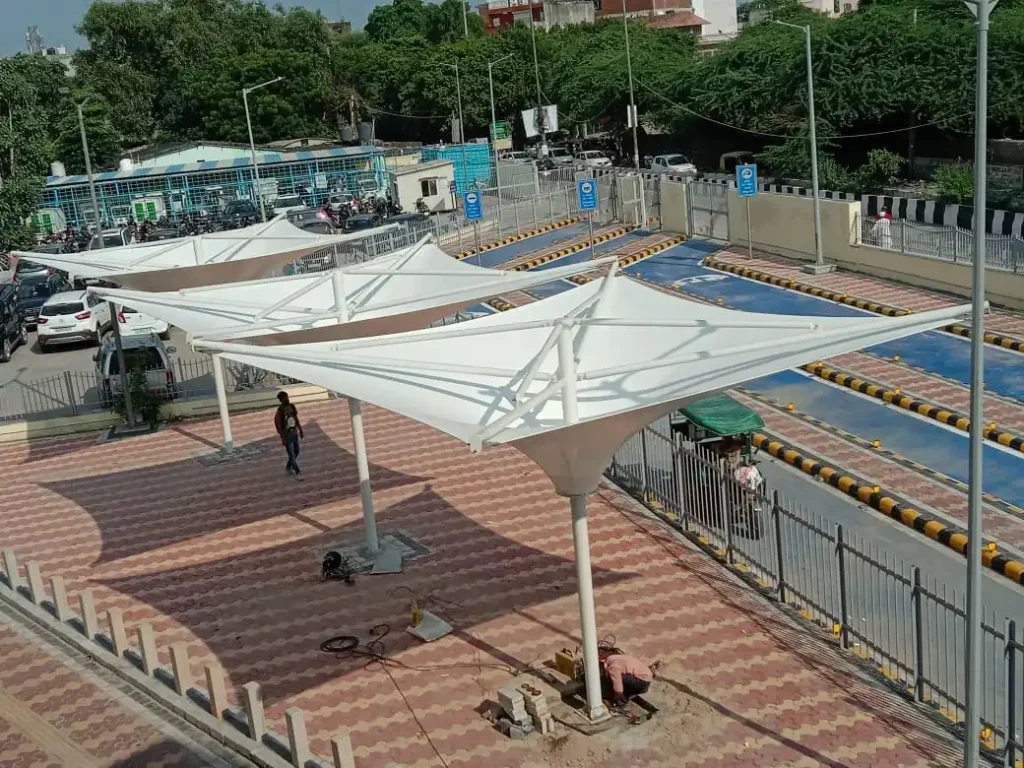
What is the Average Lifespan of a Tensile Structure?
The lifespan depends primarily on the membrane material, structural steel quality, installation standards, and environmental conditions.
Here’s a general estimate:
| Material | Average Lifespan |
| PVC Coated Fabric | 15–25 Years |
| PTFE Coated Fiberglass | 25–35+ Years |
| ETFE Membrane | 30–50 Years |
| Galvanized Steel Structure | 40–60+ Years |
| Stainless Steel Components | 50+ Years |
A well-designed tensile structure can easily serve for 20 to 30 years, with the supporting steel lasting much longer.
This is why choosing an experienced tensile structure manufacturer like Archilexis makes a significant difference. High-quality engineering and installation directly impact the lifespan of the entire system.
Factors That Affect the Lifespan of Tensile Structures
Not every tensile structure lasts the same number of years.
Several factors determine how long your structure will perform.
1. Quality of Fabric Membrane
The membrane is the heart of every tensile structure.
Premium membranes offer:
- UV resistance
- Waterproof performance
- Fire retardant properties
- High tensile strength
- Anti-fungal coatings
- Self-cleaning surfaces
Lower-quality fabrics may fade, crack, or weaken much sooner.
At Archilexis Tensile, material selection is based on project requirements rather than a one-size-fits-all approach, ensuring clients receive the most suitable solution.
2. Structural Engineering
A visually attractive canopy isn’t enough.
Proper engineering ensures the structure can handle:
- Wind loads
- Heavy rainfall
- Snow loads (where applicable)
- Dynamic forces
- Fabric tension distribution
Incorrect tensioning is one of the biggest reasons tensile structures fail prematurely.
3. Steel Quality
The steel framework often outlasts the membrane itself.
Using:
- Hot-dip galvanized steel
- Protective coatings
- Anti-corrosion treatments
can significantly increase structural life, especially in coastal and humid regions.
4. Installation Quality
Even premium materials cannot compensate for poor installation.
Professional installation ensures:
- Proper membrane tension
- Secure anchoring
- Accurate alignment
- Water drainage
- Wind stability
This is why experienced execution teams are just as important as quality materials.
5. Environmental Conditions
Environmental exposure affects longevity.
Factors include:
- Extreme sunlight
- Coastal salt exposure
- Industrial pollution
- Heavy rainfall
- Strong winds
- Dust accumulation
A tensile structure designed specifically for local conditions will perform much better over time.
How Much Maintenance Do Tensile Structures Need?
One of the biggest advantages of tensile membrane structures is their low maintenance.
Unlike conventional roofing systems, tensile canopies require very little upkeep.
Basic maintenance typically includes:
- Periodic cleaning
- Visual inspections
- Bolt tightening
- Drainage checks
- Membrane inspection
- Steel corrosion inspection
For most commercial installations, an annual inspection is sufficient.
How Often Should Tensile Fabric Be Cleaned?
Cleaning frequency depends on location.
Recommended schedule:
- Urban Areas: Every 6–12 months
- Industrial Areas: Every 3–6 months
- Coastal Regions: Every 4–6 months
- Residential Projects: Once per year
Regular cleaning helps maintain:
- Bright appearance
- UV performance
- Waterproof coating
- Fabric strength
Many premium membranes feature self-cleaning coatings that reduce dirt accumulation.
Signs Your Tensile Structure Needs Maintenance
Routine inspections can identify small issues before they become expensive repairs.
Look for:
- Loose cables
- Water pooling
- Wrinkles in the fabric
- Rust on steel members
- Damaged membrane edges
- Loose bolts
- Minor tears
- Unusual movement during strong winds
Early intervention significantly extends the lifespan of the structure.
Can Tensile Fabric Be Repaired?
Yes. It can.
Small issues can often be repaired without replacing the entire membrane.
Common repairs include:
- Fabric patching
- Seam repairs
- Cable replacement
- Hardware replacement
- Re-tensioning
- Waterproof sealing
Prompt repairs help avoid larger structural problems and reduce long-term costs.
Does Weather Reduce the Life of Tensile Structures?
Modern tensile membranes are engineered for outdoor environments.
They are designed to resist:
- UV radiation
- Heavy rain
- Strong winds
- Temperature fluctuations
- Moisture
- Fungal growth
However, severe storms or unusual weather events should always be followed by a professional inspection.
How to Increase the Lifespan of Your Tensile Structure
Simple maintenance habits can add many years to your investment.
Schedule Regular Inspections
Annual inspections help detect minor issues before they escalate.
Keep the Membrane Clean
Removing accumulated dirt prevents staining and preserves the membrane’s protective coatings.
Avoid Sharp Objects
Prevent cuts and punctures during maintenance or nearby construction work.
Ensure Proper Drainage
Blocked drainage can cause water accumulation, increasing stress on the membrane.
Choose Experienced Designers
The lifespan of a tensile structure begins at the design stage.
Accurate engineering, quality fabrication, and professional installation contribute to long-term performance.
Moreover, this supports the tensile structure lifespan.
Businesses across India choose Archilexis Tensile for solutions that blend aesthetics with durability.
Why Material Selection Matters
Different applications require different membrane types.
For example:
- Car parking canopies need excellent UV resistance.
- Swimming pool covers require moisture resistance.
- Stadium roofs demand exceptional tensile strength.
- Walkway canopies must withstand constant outdoor exposure.
- Commercial entrance canopies benefit from premium aesthetics and durability.
Selecting the right material from the start reduces maintenance costs over the life of the structure.
Why Investing in Quality Saves Money
A lower upfront price can sometimes lead to higher long-term costs due to:
- Frequent repairs
- Early membrane replacement
- Corrosion issues
- Fabric discoloration
- Structural problems
Choosing a reliable tensile structure company like Archilexis Tensile helps ensure that every project is designed for durability, reducing lifecycle costs and delivering better long-term value.
Why Choose Archilexis Tensile?
A tensile structure is a long-term investment, and its performance depends on the expertise behind its design and execution.
Archilexis Tensile focuses on delivering customized tensile architecture solutions for residential, commercial, industrial, institutional, and hospitality projects across India.
Our approach includes:
- Customized designs tailored to each project
- Premium-grade tensile membrane materials
- Precision engineering
- Durable galvanized steel structures
- Professional fabrication and installation
- Low-maintenance, high-performance solutions
- Modern architectural aesthetics
Whether it’s a car parking canopy, entrance canopy, walkway cover, outdoor seating area, pool cover, or large-span tensile roofing system, our goal is to create structures that remain functional and visually appealing for decades.
So, how long do tensile structures last?
With quality materials, expert engineering, and routine maintenance, a tensile structure can easily last 20–30 years, while the supporting steel framework can continue performing for 40–60 years or more.
The key is choosing the right design, using premium materials, and partnering with an experienced tensile structure company from the very beginning.
If you’re looking for durable, elegant, and low-maintenance tensile structures, Archilexis is committed to delivering solutions that stand the test of time.
Frequently Asked Questions (FAQs)
1. How long does a tensile membrane structure last?
Most tensile membrane structures last 15 to 30 years, depending on the membrane material, structural quality, installation, and maintenance. Premium materials like PTFE and ETFE can last even longer.
2. Do tensile structures require regular maintenance?
Yes, but maintenance requirements are relatively low. Annual inspections, occasional cleaning, and checking cables, bolts, and drainage are generally enough to keep the structure in excellent condition.
3. Can a damaged tensile fabric be repaired?
In many cases, yes. Small tears, seam damage, loose cables, or hardware issues can often be repaired without replacing the entire membrane. Early repairs help extend the life of the structure.
4. Are tensile structures waterproof?
Yes. High-quality tensile membranes are designed to be waterproof and provide effective protection against rain, while also resisting UV rays and other environmental factors.
5. What is the best material for a long-lasting tensile structure?
PTFE-coated fiberglass and ETFE membranes offer some of the longest lifespans, while high-quality PVC-coated fabrics provide an excellent balance of durability, performance, and cost for many commercial applications.
6. Does weather affect the lifespan of tensile structures?
Modern tensile structures are engineered to withstand sun, rain, wind, and varying temperatures. However, extreme weather conditions and poor maintenance can reduce their lifespan over time.
7. How can I make my tensile structure last longer?
Regular inspections, timely repairs, proper cleaning, effective drainage, and choosing high-quality materials from a trusted manufacturer like Archilexis can significantly extend the life of your tensile structure.
8. Why choose Archilexis for tensile structure projects?
Archilexis combines innovative design, premium materials, precision engineering, and expert installation to create durable, low-maintenance tensile structures tailored to each client’s needs. Our focus is on delivering long-term value, exceptional aesthetics, and reliable performance across residential, commercial, and industrial projects.