
Is Tensile Fabric Actually Waterproof?
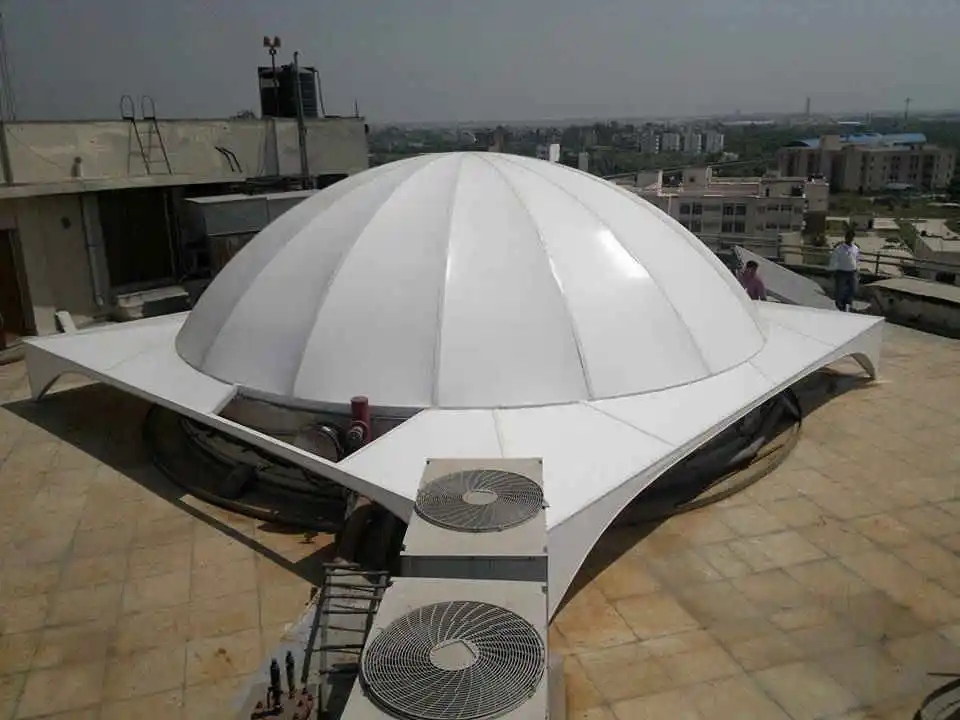
What is Tensile Fabric?
Tensile fabric is a specially engineered architectural membrane designed for roofing and shading applications. Unlike ordinary tarpaulins or canvas sheets, tensile fabrics are manufactured using advanced materials that are built to withstand years of exposure to sunlight, rain, wind, and changing weather conditions.
The most commonly used materials include:
- PVC-Coated Polyester Fabric
- PTFE-Coated Fiberglass Fabric
- ETFE Membrane Systems
These materials are specifically developed for architectural applications and offer superior waterproofing, durability, UV resistance, and structural performance.
Is Tensile Fabric 100% Waterproof?
Yes.
High-quality architectural tensile membranes are manufactured with waterproof coatings that prevent water from penetrating the fabric.
Unlike woven cloth or conventional shade nets, tensile membranes do not absorb rainwater. Instead, water flows smoothly across the surface and is directed toward designated drainage points.
This means that even during heavy rainfall, the membrane itself remains waterproof.
However, waterproof performance depends on:
- Quality of the membrane
- Correct structural engineering
- Proper fabric tension
- Effective drainage design
- Professional installation
When all these factors come together, a tensile structure can provide excellent protection from rain for many years.
How Does Waterproof Tensile Fabric Work?
Many people assume that tensile fabric behaves like a stretched cloth.
It doesn’t.
Architectural tensile membranes are coated with specialized waterproof layers that create a sealed outer surface.
When rain falls:
- Water lands on the membrane.
- The smooth surface prevents absorption.
- The curved roof profile directs water toward drainage points.
- Rainwater flows away naturally without collecting on the roof.
This combination of waterproof material and engineered roof geometry is what makes tensile structures highly effective in wet conditions.
Why Roof Design Matters More Than Fabric Alone
Even the best waterproof membrane can perform poorly if the structure is incorrectly designed.
Professional tensile structures are engineered with:
- Proper roof slope
- Controlled fabric tension
- Adequate drainage paths
- Wind load calculations
- Rain load analysis
- Structural stability
This prevents common issues such as:
- Water ponding
- Fabric sagging
- Excessive loading
- Leakage around joints
- Premature wear
Good engineering is just as important as choosing the right membrane.
Can Tensile Structures Handle Heavy Indian Monsoons?
Absolutely.
India experiences:
- Heavy monsoon rainfall
- High humidity
- Strong winds
- Dust storms
- Extreme summer temperatures
Modern tensile membrane systems are designed specifically to perform in these challenging conditions.
When installed correctly, they efficiently shed rainwater while maintaining their structural integrity throughout the monsoon season.
This is one of the reasons why tensile structures are increasingly used in:
- Shopping malls
- Hotels
- Airports
- Metro stations
- Schools
- Hospitals
- Residential societies
- Industrial facilities
- Commercial complexes
What Happens During Heavy Rain?
A professionally installed tensile roof is designed to channel large volumes of rainwater quickly.
Instead of allowing water to remain on the roof, the curved geometry encourages rapid runoff.
This helps:
- Prevent leaks
- Reduce structural stress
- Avoid water accumulation
- Maintain the membrane’s lifespan
If water begins to pool on a tensile roof, it is usually a sign of poor design, inadequate tensioning, or improper installation—not a problem with the fabric itself.
Are Tensile Fabric Joints Waterproof?
Yes—when fabricated correctly.
Large tensile roofs often require multiple membrane panels to be joined together.
These panels are connected using advanced techniques such as:
- High-frequency welding
- Hot-air welding
- Heat sealing
These methods create strong, waterproof seams that are designed to withstand years of weather exposure.
Inferior fabrication techniques, however, can compromise waterproof performance, which is why choosing an experienced tensile structure company is essential.
Does Tensile Fabric Leak Over Time?
High-quality tensile membranes are designed for long-term outdoor use.
With proper installation and periodic inspections, they can continue to provide reliable waterproof performance for many years.
Leaks generally occur because of:
- Poor workmanship
- Damaged membranes
- Improper drainage
- Mechanical damage
- Lack of maintenance
Routine inspections can identify minor issues before they become major problems.
Is Tensile Fabric Better Than Traditional Roofing in Rain?
For many applications, tensile roofing offers several advantages over conventional roofing systems.
Tensile Structures
- Waterproof architectural membranes
- Efficient rainwater drainage
- Lightweight construction
- Faster installation
- Modern architectural appearance
- Large column-free spans
- Low maintenance
Traditional RCC Roofs
- Heavy structural load
- Longer construction time
- Waterproofing layers may require periodic maintenance
- Limited design flexibility
- Higher dead load on buildings
Each roofing system has its own place, but for canopies, parking areas, entrances, walkways, resorts, and large-span applications, tensile structures often provide a highly effective weather-resistant solution.
Additional Benefits of Waterproof Tensile Fabric
Besides keeping rain out, modern tensile membranes also provide:
UV Protection
Many architectural fabrics block a significant portion of harmful UV radiation while still allowing soft, diffused natural light.
Heat Reduction
Premium membranes help reduce heat gain compared to many traditional roofing materials, improving comfort beneath the structure.
Wind Resistance
Professionally engineered tensile structures are designed to withstand local wind conditions by distributing loads efficiently through their tensioned form.
Long Service Life
Depending on the membrane material and maintenance, architectural tensile structures can deliver reliable performance for 15–30 years or more.
Attractive Appearance
Beyond functionality, tensile roofs add a clean, contemporary architectural look that enhances the visual appeal of commercial, residential, and public spaces.
Common Applications Where Waterproof Tensile Fabric is Used
Waterproof tensile structures are widely installed for:
- Car Parking Sheds
- Commercial Building Entrances
- Hotel Canopies
- Resort Walkways
- Swimming Pool Covers
- Rooftop Restaurants
- Outdoor Dining Areas
- Shopping Malls
- School Campuses
- College Walkways
- Hospitals
- Industrial Units
- Warehouses
- Petrol Pumps
- Sports Facilities
- Amphitheaters
- Residential Society Parking
- Airport Terminals
- Metro Stations
Why Quality Matters
Not all tensile fabrics are created equal.
The longevity and waterproof performance of a tensile structure depend on:
- Membrane quality
- Steel framework
- Structural engineering
- Fabric tensioning
- Joint fabrication
- Drainage planning
- Installation expertise
Choosing experienced professionals ensures that the structure performs reliably under real-world weather conditions.
Why Choose Archilexis?
At Archilexis, we design and build custom tensile membrane structures that combine aesthetics with engineering precision.
Our approach focuses on:
- High-quality architectural membranes
- Engineered structural designs
- Efficient rainwater drainage
- Durable steel frameworks
- Professional fabrication
- Precision installation
- Solutions tailored to Indian weather conditions
Whether you need a parking canopy, commercial entrance, walkway cover, or large-span tensile roofing system, our team works to deliver structures that are durable, functional, and visually striking.
Frequently Asked Questions (FAQs)
Is tensile fabric waterproof?
Yes. Architectural tensile fabrics such as PVC-coated polyester and PTFE-coated fiberglass are manufactured with waterproof coatings that prevent water penetration when installed correctly.
Can tensile structures withstand heavy rain?
Yes. Properly designed tensile structures are engineered to handle heavy rainfall through effective roof geometry and drainage systems.
Does water collect on tensile roofs?
A well-designed tensile roof is shaped to promote water runoff. Water pooling is generally an indication of poor design, insufficient tension, or improper installation.
How long does waterproof tensile fabric last?
Depending on the membrane type, environmental conditions, and maintenance, tensile fabrics can provide reliable service for 15–30 years or more.
Can tensile fabric leak?
The membrane itself is waterproof. Leaks are more likely to result from damaged fabric, poor seam fabrication, inadequate drainage, or installation issues rather than the material itself.
Is tensile fabric suitable for Indian weather?
Yes. High-quality tensile membranes are designed to perform in India’s diverse climate, including monsoon rains, strong sunlight, humidity, and varying wind conditions.
Which tensile fabric is best for waterproof roofing?
PVC-coated polyester is widely used for many commercial applications, while PTFE-coated fiberglass and ETFE membranes are often selected for projects requiring exceptional durability or specialized performance. The ideal choice depends on the project’s design, budget, and performance requirements.
Does waterproof tensile fabric require maintenance?
Routine cleaning and periodic inspections are recommended to maintain appearance and ensure long-term performance. Maintenance requirements are generally lower than many conventional roofing systems.
So, is tensile fabric actually waterproof? The answer is yes, provided that the right materials, engineering, fabrication, and installation practices are used.
Modern architectural tensile membranes protect against heavy rain. They also offer lightweight construction, UV protection, and efficient drainage.
These qualities have made tensile structures a preferred roofing solution for commercial, residential, industrial, and public projects across India.
This includes a swimming pool tensile structure, pool tensile shade that protects while remaining lightweight.
If you’re planning a waterproof tensile roofing solution, partnering with an experienced company can make all the difference. Archilexis delivers custom-designed tensile structures that combine durable materials with thoughtful engineering to create reliable, weather-resistant roofing systems built for Indian conditions.