
Why Tensile Structures Are Better Than Conventional Roofing: A Complete Comparison
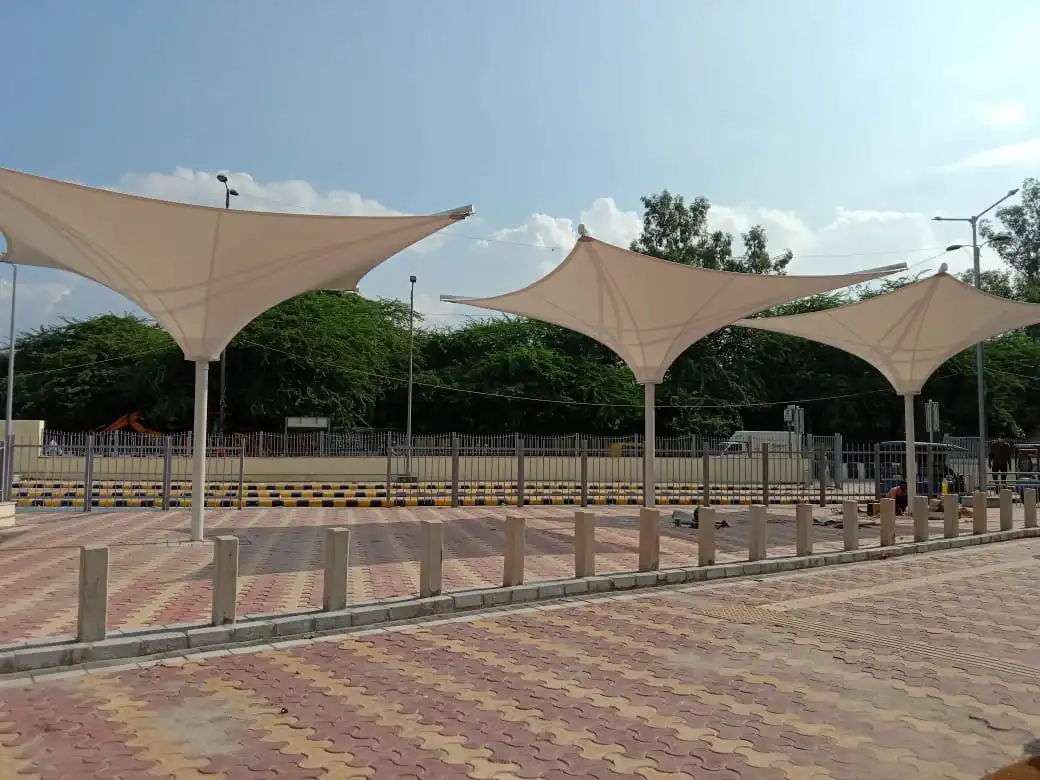
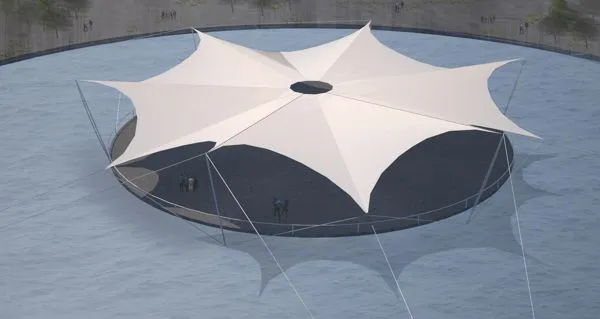
What Is a Tensile Structure?
A tensile structure is a roofing system made using a high-strength fabric membrane stretched over a carefully engineered steel framework.
Unlike traditional roofs that rely on heavy materials for support, tensile structures use tension to create stable, lightweight, and elegant designs.
They are commonly used for:
- Car parking canopies
- Commercial entrance canopies
- Walkway covers
- Outdoor seating areas
- Swimming pool covers
- Sports facilities
- Schools and colleges
- Hotels and resorts
- Industrial sheds
- Event venues
Tensile Structures vs Conventional Roofing
Let’s compare the two across the factors that matter most.
| Feature | Tensile Structure | Conventional Roofing |
| Weight | Lightweight | Heavy |
| Installation Time | Fast | Longer |
| Design Flexibility | Excellent | Limited |
| Natural Lighting | High | Low |
| Maintenance | Low | Moderate to High |
| Modern Appearance | Excellent | Functional |
| Large Span Coverage | Excellent | Requires More Supports |
| Energy Efficiency | Better | Moderate |
| Cost for Large Areas | Often More Economical | Can Become Expensive |
1. Lightweight Yet Exceptionally Strong
One of the biggest advantages of tensile structures is their impressive strength-to-weight ratio.
Traditional concrete roofs add significant weight to a building, requiring larger foundations and stronger support systems.
Tensile structures, on the other hand:
- Reduce structural load
- Use less steel overall
- Require lighter foundations
- Cover large areas efficiently
This makes them particularly suitable for retrofitting existing buildings without adding excessive weight.
Archilexis is a Tensile Structure Manufacturer. Every structure is engineered to maximize strength while minimizing material usage. This approach reduces waste and improves longevity. By using optimized layouts and high-performance fabrics, Archilexis delivers durable, efficient canopies for clients worldwide. Our commitment to quality guides every project from design to installation.
2. Modern Architectural Appeal
Conventional roofing usually serves a functional purpose, but tensile structures also become an architectural feature.
Their flowing curves, clean lines, and elegant forms instantly enhance the appearance of:
- Shopping malls
- Hotels
- Hospitals
- Corporate offices
- Educational campuses
- Luxury residences
A well-designed tensile canopy creates a memorable first impression and can even increase the perceived value of a property.
3. Faster Installation
Time is money—especially for commercial and industrial projects.
Compared to RCC or heavy steel roofing systems, tensile structures can often be installed much faster because:
- Components are prefabricated.
- Fabric membranes are manufactured to precise dimensions.
- On-site construction is minimized.
- Installation is cleaner and less disruptive.
This allows businesses to start using their spaces sooner, reducing project downtime.
4. Excellent Coverage for Large Open Spaces
Conventional roofs typically require multiple columns or support beams over large spans.
Tensile structures can cover expansive areas with fewer internal supports, making them ideal for:
- Car parking lots
- Stadiums
- Exhibition centers
- Warehouses
- Airports
- Public gathering spaces
The result is a more open, usable, and visually appealing space.
5. Better Natural Light
Many tensile membranes allow soft, diffused daylight to pass through while blocking harmful UV rays.
This offers several benefits:
- Reduced dependence on artificial lighting
- Brighter interiors during the day
- Comfortable ambient lighting
- Improved user experience
Conventional concrete roofs completely block natural light, often increasing electricity consumption.
6. Improved Energy Efficiency
One reason tensile structures are gaining popularity is their contribution to energy savings.
High-quality membranes reflect a significant portion of solar radiation, helping to:
- Lower indoor temperatures
- Reduce heat buildup
- Improve occupant comfort
- Decrease air-conditioning costs
For commercial buildings, this can lead to noticeable long-term savings on energy bills.
7. Lower Maintenance Requirements
Unlike conventional roofing, which may require frequent repainting, waterproofing, or repairs, tensile structures are designed for low maintenance.
Routine care generally includes:
- Occasional cleaning
- Annual inspections
- Checking cables and bolts
- Inspecting drainage systems
Premium membranes also resist:
- UV damage
- Fungal growth
- Dirt accumulation
- Weather-related wear
This makes tensile structures a practical long-term investment.
8. Superior Design Flexibility
Conventional roofs are often limited to flat or sloped designs.
Tensile structures offer virtually endless possibilities, including:
- Conical canopies
- Hypar (hyperbolic paraboloid) forms
- Wave-shaped roofs
- Barrel vaults
- Free-form architectural designs
This flexibility allows architects to create unique spaces that stand out.
At Archilexis Tensile, every project is customized to complement the client’s architecture, functionality, and branding.
9. Weather Resistance
Modern tensile membranes are engineered to perform in demanding environments.
They offer excellent resistance to:
- Heavy rainfall
- Strong winds
- UV radiation
- Temperature fluctuations
- Moisture
- Corrosion (when paired with galvanized steel)
Proper design and installation ensure reliable performance across diverse climatic conditions.
10. Cost-Effective for Large Projects
While the initial investment depends on the project size and material selection, tensile structures often become more economical for large-span applications.
Why?
- Less structural steel
- Faster installation
- Lower labor costs
- Reduced maintenance
- Lower energy consumption
- Longer service life
The combination of these factors often results in a lower total cost of ownership over time.
Applications Where Tensile Structures Outperform Conventional Roofing
As a Tensile Structure Manufacturer, tensile structures are particularly advantageous for:
- Car parking shades
- Walkway canopies
- Hotel entrances
- Shopping malls
- Outdoor cafes
- Schools and universities
- Sports complexes
- Swimming pools
- Resorts
- Industrial facilities
- Rooftop lounges
- Public plazas
These spaces benefit from the combination of durability, aesthetics, and efficient coverage.
Why More Businesses Are Choosing Tensile Structures
Businesses today seek solutions that are not only functional but also reflect a modern brand image.
Tensile structures provide:
- Contemporary aesthetics
- Faster project completion
- Flexible designs
- Durable performance
- Better customer experience
- Reduced operating costs
For companies looking to create an attractive and welcoming environment, tensile architecture offers a significant advantage over conventional roofing.
Why Choose Archilexis?
Selecting the right contractor is just as important as selecting the right roofing system.
At Archilexis, we specialize in designing and delivering customized tensile architecture solutions that combine engineering precision with visual excellence.
Our services include:
- Custom tensile structure design
- Premium membrane material selection
- Galvanized steel fabrication
- Professional installation
- End-to-end project management
- Maintenance guidance and support
Whether you’re planning a commercial canopy, industrial roofing system, luxury resort cover, or residential outdoor space, our team focuses on delivering structures that are durable, functional, and architecturally striking.
Conventional roofing has served the construction industry for many years, but modern projects increasingly demand solutions that are lighter, faster, more energy-efficient, and visually appealing.
Tensile structures meet these expectations by offering:
- Elegant architectural designs
- Large-span coverage
- Faster installation
- Lower maintenance
- Better natural lighting
- Improved energy efficiency
- Long-term durability
If you’re planning a new project or upgrading an existing space, a tensile structure can provide lasting value while enhancing the overall appearance of your property.
With Archilexis, you gain a partner dedicated to creating innovative tensile solutions tailored to your project’s unique requirements.
Frequently Asked Questions (FAQs)
1. Are tensile structures stronger than conventional roofs?
Yes. Although lightweight, tensile structures are engineered to withstand wind, rain, and other environmental loads. Their strength comes from the combination of high-performance membrane materials and precision-engineered steel frameworks.
2. Are tensile structures more affordable than conventional roofing?
For many large-span applications, tensile structures can be more cost-effective due to reduced material usage, faster installation, lower maintenance, and improved energy efficiency.
3. Which lasts longer: a tensile structure or a conventional roof?
A well-maintained tensile membrane typically lasts 15–30 years, while the supporting galvanized steel framework can last 40–60 years or more. Lifespan depends on materials, installation quality, and maintenance.
4. Can tensile structures handle heavy rain and strong winds?
Yes. Professionally designed tensile structures are engineered to withstand local weather conditions, including heavy rainfall and high winds, provided they are designed and installed correctly.
5. Do tensile structures require a lot of maintenance?
No. They require minimal maintenance, including periodic cleaning, routine inspections, and occasional hardware checks to ensure optimal performance.
6. Where are tensile structures commonly used?
They are widely used for car parking canopies, walkway covers, commercial entrances, hotels, resorts, schools, stadiums, industrial facilities, shopping malls, airports, and outdoor recreational spaces.
7. Why are tensile structures becoming popular in India?
Growing demand for modern architecture, faster construction, energy-efficient solutions, and aesthetically appealing outdoor spaces has made tensile structures increasingly popular across residential, commercial, and industrial projects.
8. Why choose Archilexis for your project?
Archilexis offers customized tensile architecture solutions backed by quality materials, expert engineering, skilled fabrication, and professional installation. Our focus is on creating durable, visually impressive structures that provide long-term value and meet the specific needs of every client.