
Tensile Shade Sail:
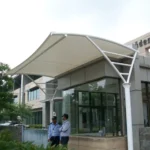
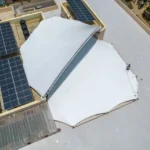
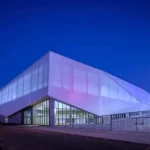
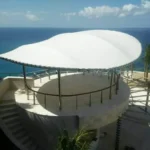
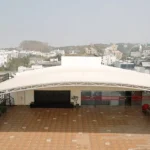
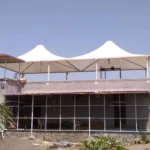
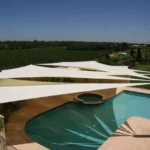
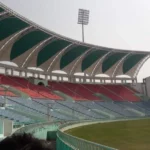
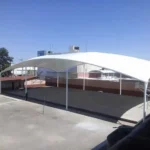
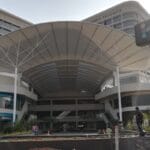
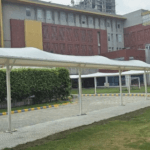
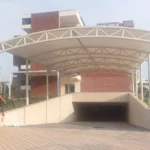
What is a Tensile Shade Sail?
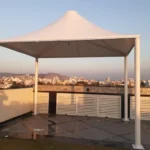
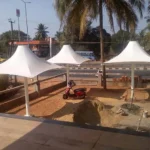
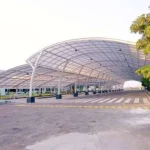
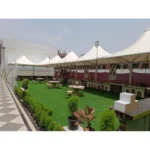
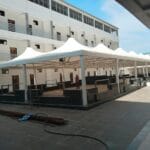
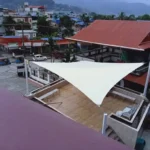
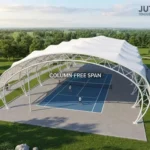
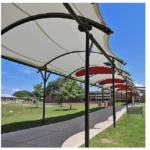
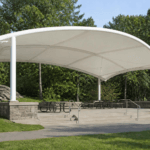
A Tensile Shade Sail is a fabric canopy stretched under calculated tension between steel columns or structural supports.
Additionally, these structures distribute loads evenly through tension, enabling coverage over large areas without heavy roofing.
Unlike traditional shade solutions, tensile shade sails are lightweight, flexible, and can be designed in a variety of shapes to suit different architectural styles and functional requirements.
They are commonly installed in:
- Residential gardens
- Villas and farmhouses
- Car parking areas
- Children’s play areas
- Parks and public spaces
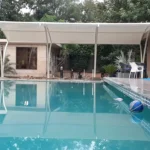
- Swimming pools
- Hotels and resorts
- Restaurants and cafes
- Schools and colleges
- Commercial buildings
- Office campuses
- Outdoor seating areas
Their elegant appearance and practical functionality make them suitable for both small residential projects and large commercial developments.
Applications of Tensile Shade Sail Structures
The versatility of shade sails makes them suitable for a wide range of residential, commercial, and institutional applications.
Residential Properties
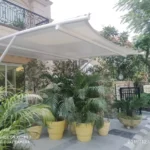
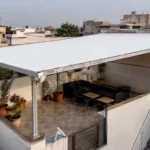
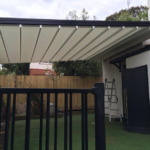
Homeowners frequently install tensile shade sails over gardens, patios, terraces, balconies, swimming pools, and children’s play areas. These structures create comfortable outdoor spaces that can be enjoyed throughout the year.
Car Parking Areas
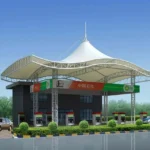
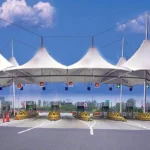
Tensile shade sails are widely used as car parking covers because they protect vehicles from harsh sunlight, rain, bird droppings, and dust while giving parking areas a modern appearance.
Parks and Public Spaces
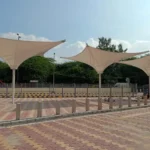
Municipal parks and recreational areas use shade sail structures to create shaded seating zones, picnic areas, and playgrounds that improve visitor comfort.
Hotels and Resorts
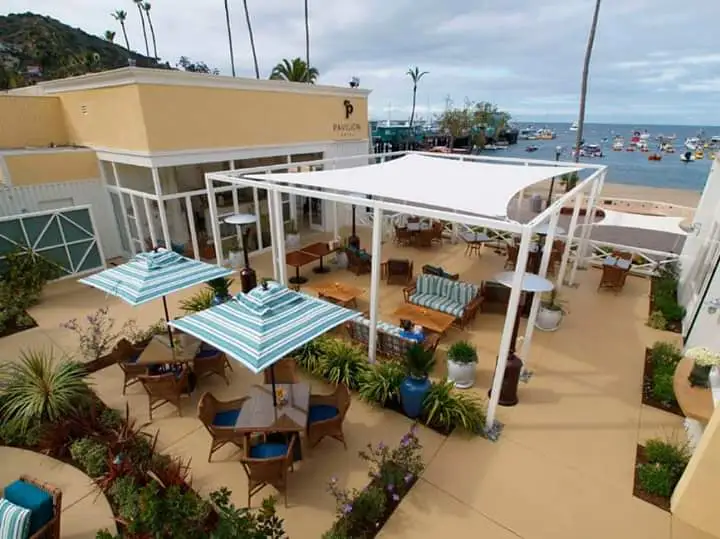
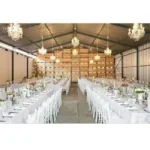
Luxury hotels and resorts install tensile shade sails around swimming pools, outdoor lounges, landscaped gardens, and dining areas to enhance guest experience while maintaining an elegant aesthetic.
Educational Institutions
Schools, colleges, and universities often use shade sails to cover assembly areas, playgrounds, outdoor classrooms, and student seating spaces.
Restaurants and Cafes
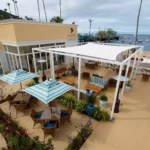
Outdoor dining areas become more comfortable and attractive with tensile shade sails, allowing customers to enjoy open-air seating even during hot summer months.
Popular Tensile Shade Sail Designs
Different projects require different design approaches depending on the available space and intended use.
Triangle Shade Sail
Simple, elegant, and highly versatile, triangular shade sails are commonly used for gardens, patios, cafes, and playgrounds.
Square and Rectangle Shade Sail
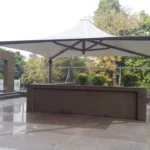
These designs provide larger shaded areas and are suitable for parking spaces, restaurants, schools, and commercial courtyards.
Hypar (Twisted) Shade Sail
A hyperbolic or twisted shade sail creates a dynamic architectural appearance while improving water drainage and structural stability.
Multi-Sail Configuration
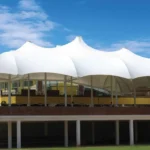
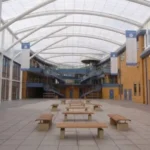
Large commercial projects often combine multiple shade sails to create visually striking outdoor spaces with extensive coverage.
At Archilexis, every shade sail is custom-designed to suit the project’s architecture, functional needs, and environmental conditions.
Materials Used in Tensile Shade Sails
The quality of materials directly affects the durability and performance of a shade sail.
Architectural Fabric
Premium materials such as PVC-coated polyester, HDPE shade fabric, and PTFE-coated fiberglass are commonly used because they provide:
- High UV protection
- Waterproof or breathable options
- Fire-retardant properties
- Excellent tensile strength
- Long service life
- Resistance to fading and weathering
Structural Steel Framework
Support columns and connection systems are fabricated using galvanized or powder-coated steel to ensure strength, stability, and corrosion resistance.
Every component is selected to maximize safety and long-term performance.
Why Choose a Tensile Shade Sail Over Traditional Roofing?
Compared to conventional roofing systems, tensile shade sails offer several significant advantages:
- Elegant contemporary appearance
- Lightweight construction
- Faster installation
- Reduced maintenance
- Flexible custom designs
- Excellent UV protection
- Efficient rainwater drainage
- Suitable for large and irregular spaces
- Cost-effective outdoor shading solution
These advantages have made shade sails one of the fastest-growing architectural shade solutions worldwide.
Why Choose Archilexis?
Choosing the right tensile structure company is essential for achieving a safe, durable, and visually appealing installation.
At Archilexis, we provide complete tensile shade sail solutions tailored to each project’s specific requirements.
Our expertise includes:
- Custom shade sail design
- Structural engineering
- Premium architectural fabrics
- High-quality galvanized steel fabrication
- Professional installation
- Residential and commercial projects
- Timely project completion
Every shade sail is engineered with attention to structural safety, aesthetics, and long-term durability, ensuring a solution that adds value to your property.
Frequently Asked Questions
Is a tensile shade sail waterproof?
It depends on the fabric selected. However, PVC-coated membranes provide waterproof protection. HDPE fabrics allow airflow and partial water permeability, making them suitable for Tensile Shade Sail applications.
How long does a tensile shade sail last?
A professionally installed Tensile Shade Sail made from premium materials can typically last between 10 and 25 years. This depends on the fabric type, environmental conditions, and maintenance.
Can shade sails withstand strong winds?
Yes. When engineered and installed correctly, tensile shade sails are designed to withstand local wind loads and environmental conditions. Proper tensioning and structural design are essential for long-term performance.
Can tensile shade sails be customized?
Absolutely. Shade sails can be customized in terms of size, shape, color, fabric type, and support structure to suit residential, commercial, and public projects