
Tensile Awning Structure

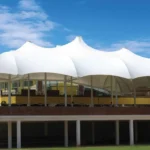
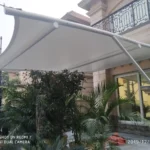
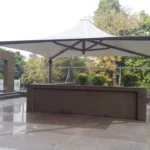
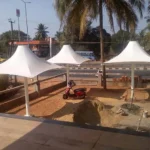
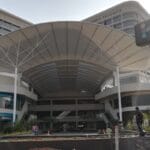
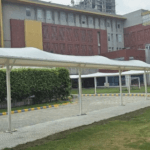
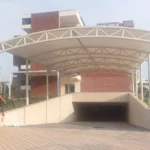
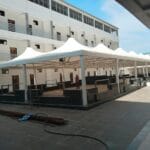
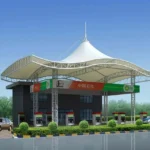
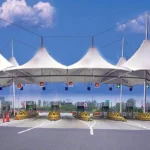
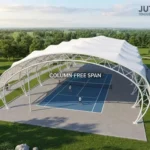
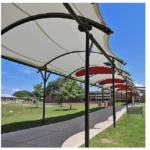
What is a Tensile Awning Structure?
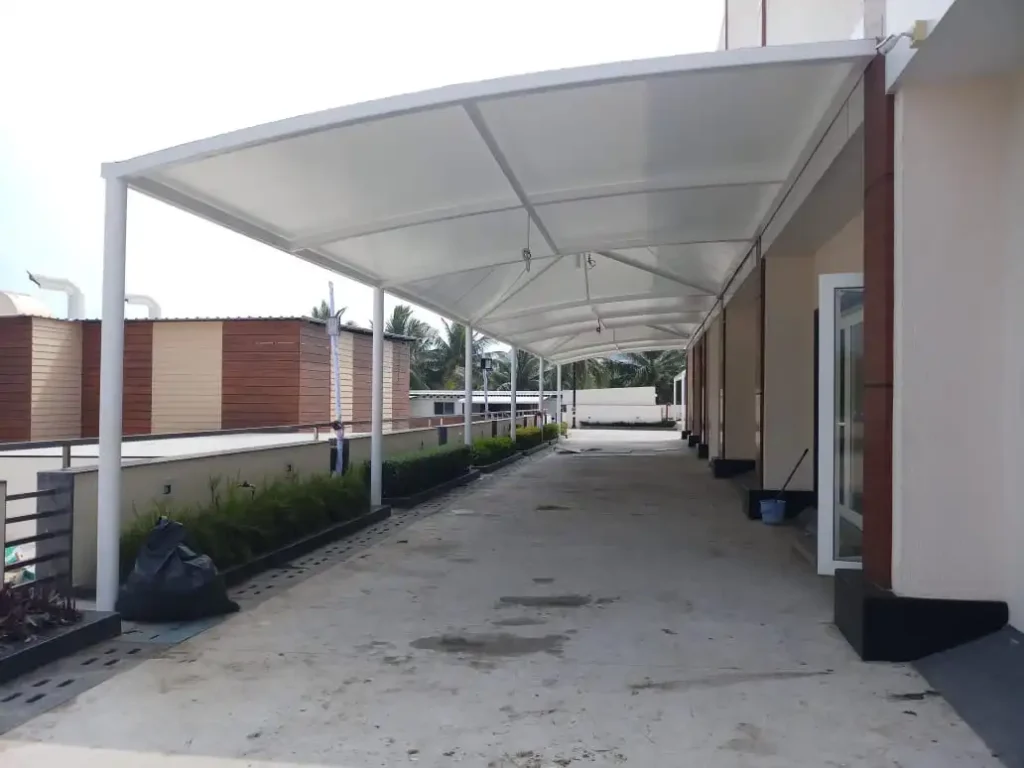
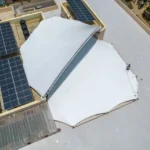
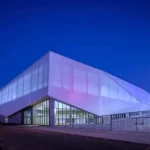
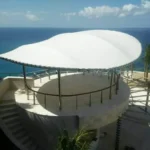
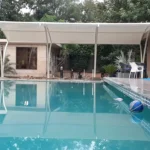
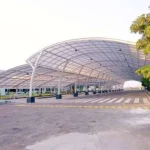
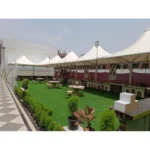
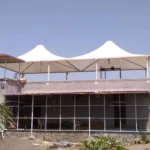
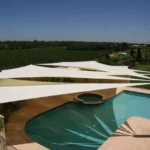
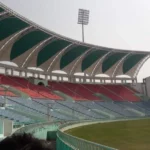
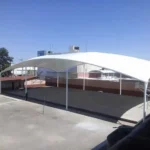
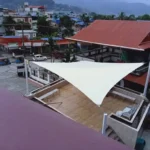
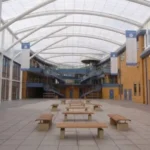
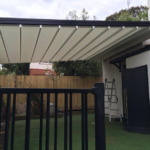
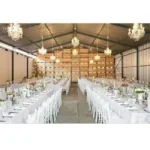
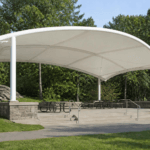
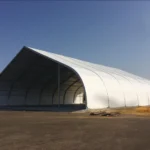
A Tensile awning structure is a fabric-based roofing system.
Additionally, the membrane is stretched under calculated tension and supported by a steel framework.
Unlike conventional roofs that rely on heavy materials for strength, tensile structures use tension and compression.
This balance achieves structural stability.
Moreover, this enables architects and designers to create elegant curved forms that are both functional and aesthetically appealing.
These structures are commonly installed for:
- Building entrances
- Walkways
- Outdoor seating areas
- Restaurants and cafes
- Hotel drop-off zones
- Shopping mall entrances
- Residential patios
- Balconies
- Schools and colleges
- Corporate campuses
Benefits of a Tensile Awning Structure
1. Superior Weather Protection
A tensile awning structure protects outdoor spaces from harsh sunlight, heavy rainfall, and dust, making them usable throughout the year. High-quality architectural fabrics also reduce heat beneath the canopy by blocking harmful UV rays.
2. Contemporary Architectural Design
One of the key reasons tensile structures are popular is their modern appearance. Their smooth curves and clean lines create a premium look that enhances the value of both residential and commercial properties.
Whether installed over a home entrance or a large commercial plaza, a tensile awning structure adds a sophisticated architectural element.
3. Lightweight Yet Strong
Despite their lightweight construction, tensile structures are engineered to withstand challenging weather conditions. Their efficient design places less load on the supporting framework compared to conventional roofing systems.
This makes them ideal for both new construction and renovation projects.
4. Low Maintenance
Modern architectural fabrics are designed to resist fading, moisture, mildew, and dirt accumulation. Regular cleaning and periodic inspections are generally sufficient to maintain the structure’s appearance and performance.
5. Fully Customizable
Every property has unique design requirements. Tensile awning structures can be customized in terms of:
- Shape
- Dimensions
- Color
- Fabric type
- Steel finish
- Lighting integration
This flexibility allows architects and property owners to create solutions that blend seamlessly with the surrounding architecture.
Applications of Tensile Awning Structures
The versatility of tensile structures makes them suitable for numerous industries.
Residential Properties
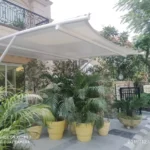
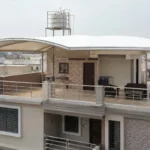
Homeowners use Tensile awning structure to create shaded entrances, patios, balconies, terraces, garden seating areas, and vehicle parking spaces.
Moreover, these installations improve comfort while enhancing the overall appearance of the property.
Commercial Buildings
Businesses install tensile awning structures to create welcoming entrances, waiting areas, and outdoor customer spaces. A professionally designed awning also strengthens a property’s visual identity.
Hotels and Hospitality
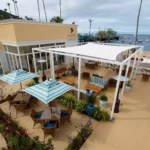
Hotels, resorts, and restaurants use tensile structures to cover outdoor dining areas, reception zones, and drop-off points. Their elegant design creates a comfortable environment while contributing to a premium guest experience.
Educational and Healthcare Facilities
Schools, colleges, and hospitals often install tensile structures over walkways, waiting areas, and entrances to provide weather protection for students, visitors, and staff.
Popular Tensile Awning Structure Designs
Selecting the right design depends on the available space, architectural style, and intended use.
Cantilever Structure
Supported from one side, this design offers unobstructed space beneath the canopy and is ideal for entrances and storefronts.
Curved Structure
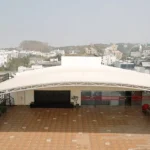
Curved tensile awnings provide excellent rainwater drainage while creating a modern architectural appearance.
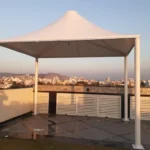
Pyramid Structure
This eye-catching design is frequently used in commercial buildings, resorts, and public spaces where aesthetics are a key consideration.
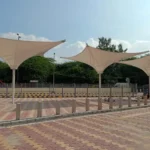
Wave Structure
Wave-shaped awning structures add movement and visual appeal, making them suitable for plazas, parks, shopping centers, and institutional campuses.