
Tensile Awning Canopy: A Modern and Durable Shade Solution
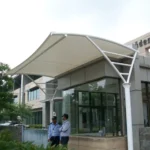
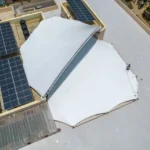
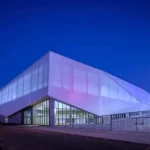
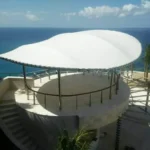
What is a Tensile Awning Canopy
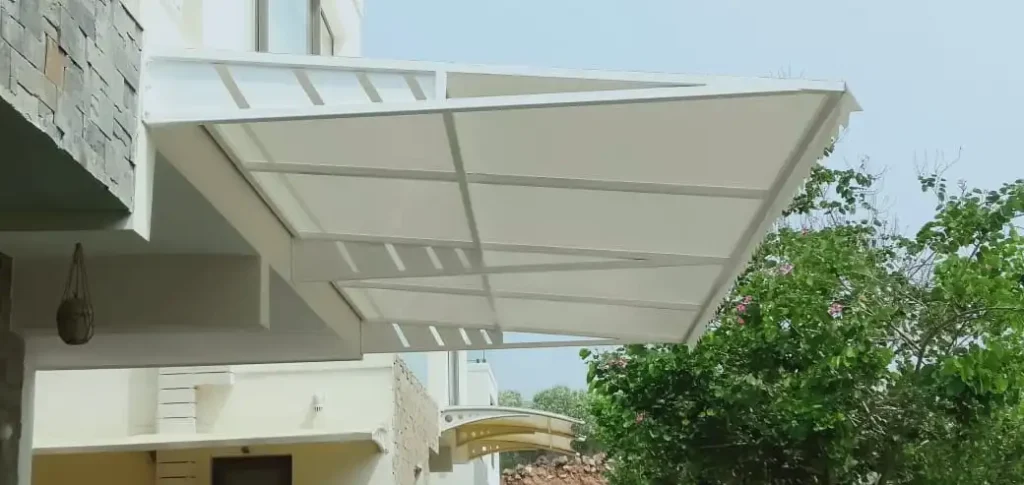
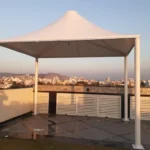
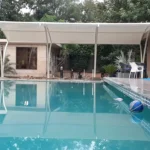
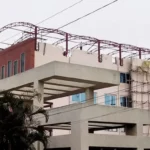
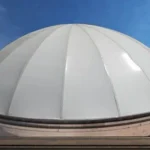
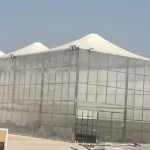
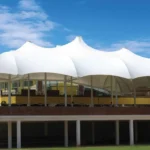
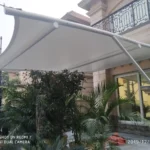
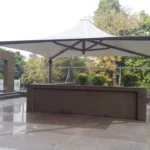
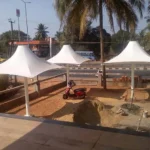
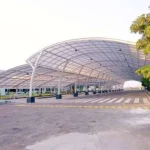
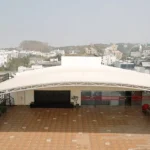
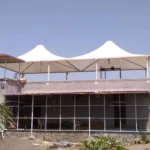
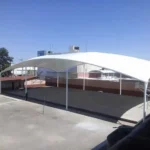
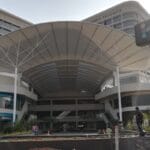
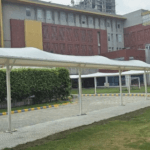
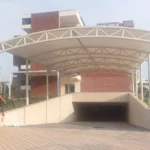
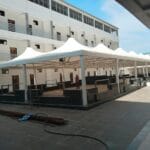
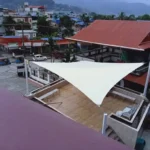
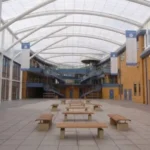
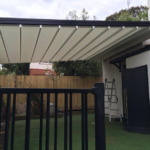
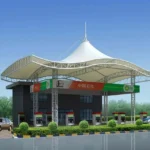
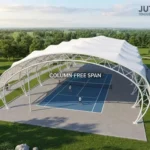
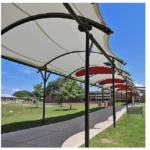
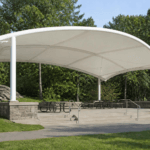
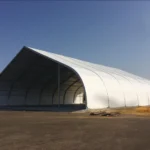
A tensile awning canopy is a shade structure made from high-strength architectural fabric that is stretched over a steel or aluminum framework. The fabric remains under controlled tension, creating a stable and durable structure capable of withstanding varying weather conditions.
Unlike conventional awnings, tensile canopies are designed using structural engineering principles that distribute loads efficiently while maintaining an elegant appearance.
These canopies are commonly installed at:
- Residential entrances
- Villas and bungalows
- Hotels
- Restaurants and cafés
- Shopping malls
- Office buildings
- Hospitals
- Educational institutions
- Commercial storefronts
- Outdoor seating areas
Their versatility makes them suitable for both small residential applications and large commercial projects.
Benefits of Installing a Tensile Awning Canopy
1. Excellent Weather Protection
A tensile awning canopy provides year-round protection against harsh sunlight, heavy rainfall, and dust. High-quality architectural fabrics block harmful UV rays while reducing heat underneath the canopy, creating a cooler and more comfortable outdoor space.
2. Modern Architectural Appeal
One of the biggest advantages of tensile structures is their sleek and contemporary appearance. Their flowing forms and minimalistic design enhance the visual appeal of any property without making it look bulky or outdated.
Whether your building features modern or classic architecture, a customized tensile canopy can complement its overall design.
3. Durable and Low Maintenance
Premium tensile fabrics are designed to withstand India’s diverse climate conditions. They resist fading, moisture, and mildew while requiring minimal maintenance.
Routine cleaning and occasional inspections are usually enough to keep the canopy looking new for years.
4. Quick Installation
Compared to traditional roofing systems, tensile awning canopies can often be fabricated off-site and installed quickly. This minimizes disruption and allows projects to be completed efficiently.
5. Customizable Designs
Every property has different architectural requirements. Tensile awning canopies can be customized in terms of:
- Shape
- Size
- Colour
- Fabric type
- Steel finish
- Lighting integration
This flexibility makes them suitable for almost any residential or commercial project.
Applications of Tensile Awning Canopies
A tensile awning canopy is suitable for a wide range of applications across different industries.
Residential Properties
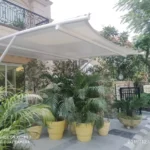
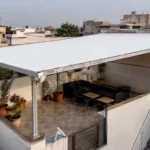
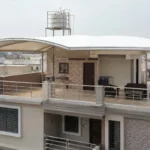
Homeowners often install tensile awnings above entrances, balconies, terraces, patios, and car parking areas to create comfortable outdoor spaces while protecting doors, windows, and vehicles from direct sunlight and rain.
Commercial Buildings
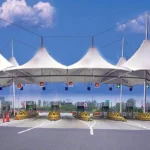
Retail stores, shopping centres, and office buildings use tensile canopies to create welcoming entrances and covered waiting areas. Besides improving functionality, they also contribute to a professional and modern appearance.
Hotels and Restaurants
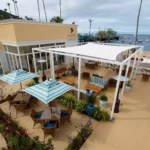
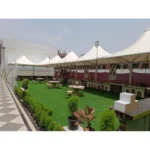
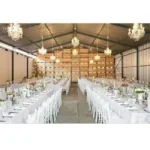
Outdoor dining has become increasingly popular. Tensile awning canopies provide comfortable seating areas that allow guests to enjoy open-air spaces throughout the year.
Hospitals and Educational Institutions
Hospitals, schools, and colleges commonly install tensile canopies over walkways, drop-off zones, waiting areas, and entrances to improve visitor comfort and protect people from changing weather conditions.
Popular Tensile Awning Canopy Designs
The design of a tensile canopy should complement the architecture of the building while fulfilling practical requirements.
Some of the most popular designs include:
Cantilever Canopy
A clean, modern design supported from one side, making it ideal for entrances and storefronts.
Curved Canopy
Featuring elegant curves, this design provides excellent drainage while adding a sophisticated architectural element.
Pyramid Canopy
A striking design often used in hotels, resorts, and premium commercial projects where aesthetics are a priority.
Wave Canopy
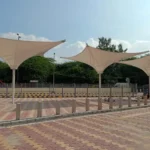
Wave-shaped tensile canopies create a unique visual identity and are commonly installed in public spaces, plazas, and commercial complexes.
Every project at Archilexis Tensiles is custom-designed to ensure the canopy blends seamlessly with the surrounding architecture.
Materials Used in Tensile Awning Canopies
The quality of materials directly affects the performance and lifespan of a tensile structure.
Architectural Fabric
High-performance fabrics such as PVC-coated polyester and PTFE-coated fiberglass are commonly used because they offer:
- UV resistance
- Waterproof performance
- Fire-retardant properties
- High tensile strength
- Long service life
Structural Framework
The supporting framework is generally fabricated using galvanized steel or powder-coated steel to provide excellent strength and corrosion resistance.
Using premium materials ensures the canopy remains safe, attractive, and durable for years
Why Choose a Tensile Awning Instead of a Traditional Awning?
Traditional metal or concrete awnings are functional but often appear bulky and limit design flexibility.
A tensile awning canopy offers several advantages:
- Lightweight construction
- Contemporary architectural appearance
- Faster installation
- Lower maintenance requirements
- Flexible custom designs
- Better natural light management
- Efficient rainwater drainage
These benefits make tensile structures a preferred choice for modern residential and commercial developments.
Why Choose Archilexis ?
Selecting the right tensile structure company is essential to ensure quality, safety, and long-term performance.
At Archilexis, we focus on delivering customized tensile awning canopy solutions that combine innovative design with structural engineering expertise.
Our approach includes:
- Custom-designed solutions
- Premium-quality architectural fabrics
- Durable galvanized steel structures
- Professional fabrication and installation
- Attention to structural safety and aesthetics
- Timely project execution
Whether you require a canopy for a residence, commercial property, hospitality project, or institutional building, our team works closely with you to create a solution that meets both functional and architectural requirements