
Tensile Building Roof:
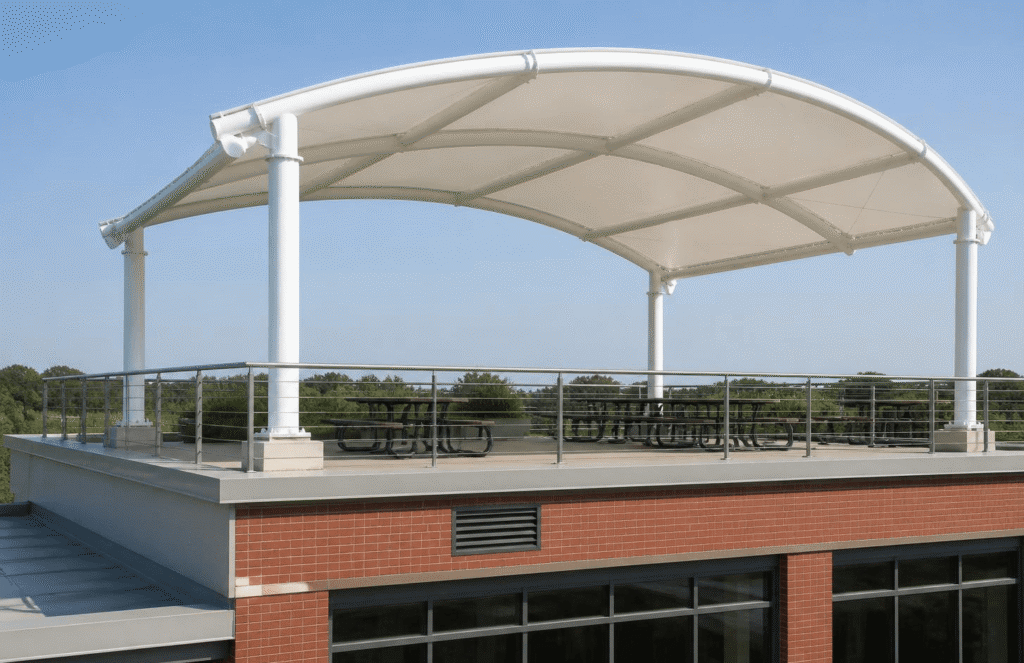
Innovation-driven Solutions
Our innovative solutions for tensile roofing address the unique needs of our clients and drive success.
Superior Customer Service
Our team is dedicated to providing superior customer service and ensuring complete satisfaction.
The Future of Modern Architecture
We take a personalized approach to ensure that every individual receives tailored support and guidance.
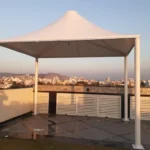
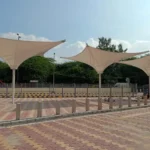
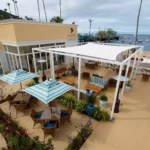
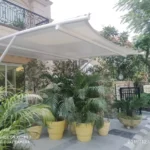
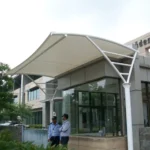
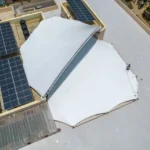
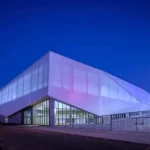
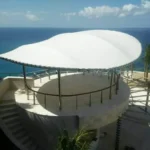
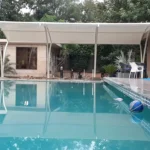
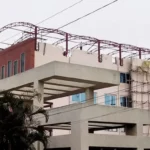
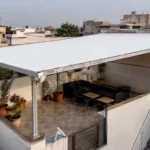
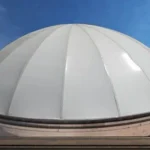
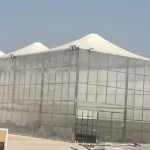
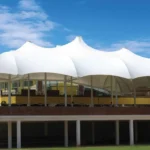
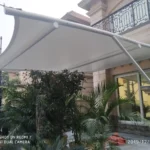
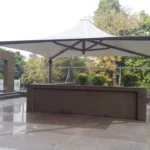
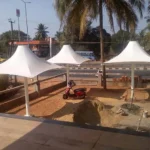
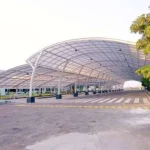
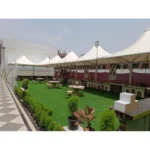
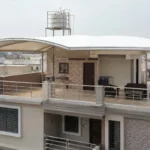
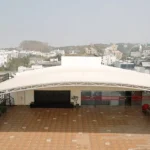
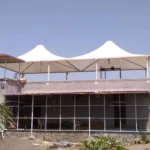
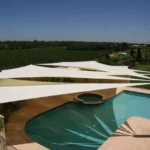
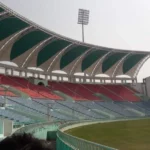
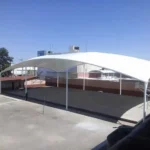
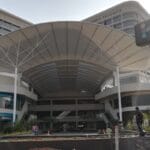
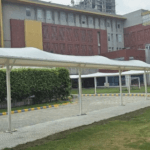
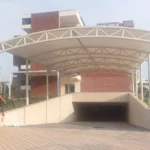
So… Why Choose Roofing: Tensile ?
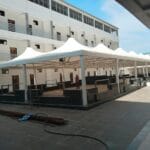
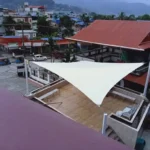
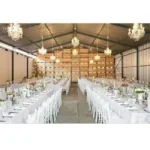
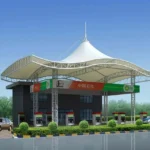
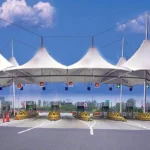
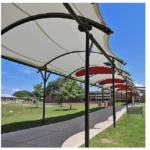
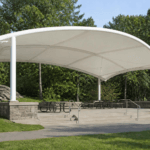
Tensile roofing membranes offer considerable flexibility when compared with rigid roofing systems. The membrane can be engineered into curved, vaulted, conical, saddle-shaped, or other customized forms, allowing architects and project owners to create distinctive roof profiles.
Because the membrane is lightweight, the supporting structure can often be designed with lower dead loads than many conventional roof constructions. Large areas can also be covered with fewer intermediate supports, creating more usable and visually open spaces below the roof.
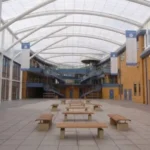
Depending on the selected membrane, tensile roofing provides controlled daylight transmission, solar protection, weather resistance, and an attractive interior.
Types of Tensile Building Roof Structures
Different types of Tensile Membrane Roof Structures can be developed according to the intended use and building configuration.
Permanent Tensile Roof
Permanent tensile roofs are designed as long-term architectural roofing systems for buildings and facilities that require continuous protection from sun, rain, and other environmental conditions. The membrane and supporting structure are selected according to the expected service conditions and project requirements.
Retractable Tensile Roof
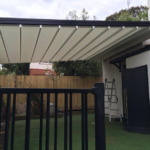
A retractable membrane roof can be opened or closed when required. These systems are particularly useful where a building or facility needs both covered and open-air conditions, such as sports venues, entertainment facilities, swimming pools, and recreational spaces.
Temporary Tensile Roof
Temporary tensile structures can be designed for events, exhibitions, seasonal requirements, temporary facilities, and other applications where rapid installation and removal are important.
Hybrid Tensile Roofing
A hybrid roof combines tensile membrane construction with conventional building materials or other structural systems. This approach can be useful when only part of a building requires membrane roofing or when the tensile system needs to connect with an existing roof or structural framework.
Applications of Tensile Building Roofs
A Fabric Roof Structure can be adapted to many types of buildings and large-span facilities, including:
- Industrial buildings and factories
- Warehouses and logistics facilities
- Commercial buildings
- Shopping malls and retail developments
- Sports stadiums and arenas
- Indoor and outdoor sports facilities
- Swimming pools
- Exhibition and convention centers
- Auditoriums and amphitheaters
- Educational institutions
- Transportation facilities
- Religious and community buildings
- Entertainment and event venues
- Parking structures
- Building entrances and atria
- Covered walkways
- Outdoor terraces and recreational areas
Tensile Fabric Roof Materials
The performance of a tensile roof depends significantly on the membrane material selected for the project. Different fabrics provide different combinations of strength, durability, light transmission, fire performance, weather resistance, and appearance.
PVC-Coated Polyester Fabric
PVC-coated polyester fabric is widely used for tensile roofing because it offers a practical balance between durability, flexibility, appearance, and cost. Depending on the specification, PVC membrane can be supplied in different weights, coatings, colors, and levels of translucency.
For suitable applications, PVC Fabric Roof systems can provide protection against sunlight and rain while offering a comparatively lightweight roofing solution.
PTFE-Coated Fiberglass
PTFE Fabric Roofing is a high-performance membrane option generally selected for projects requiring long service life, strong weathering resistance, and high durability. PTFE-coated fiberglass membranes can also provide useful daylight transmission and are suitable for demanding architectural applications.
ETFE Membrane Systems
ETFE is a lightweight fluoropolymer film used in selected architectural roofing and facade applications. Its high light transmission can create bright internal spaces, while its low weight allows it to be used for specialized lightweight roof systems.
Material selection should be based on the project’s structural, environmental, fire-safety, daylighting, durability, and architectural requirements rather than on fabric type alone.
Performance Features of Tensile Membrane Roofing
A properly designed Tensile Membrane Roof Structure can provide a combination of structural and architectural benefits.
Important performance characteristics may include:
- Lightweight construction
- Large-span roofing capability
- Reduced requirement for intermediate supports
- Resistance to outdoor weather exposure
- UV-resistant membrane options
- Controlled solar and light transmission
- Translucent or opaque fabric choices
- Fire-performance options according to project requirements
- Flexible architectural geometry
- Efficient use of structural materials
- Low routine maintenance requirements
- Long-term service potential with appropriate material selection and maintenance
The actual performance of a roof depends on the selected membrane, structural design, environmental conditions, detailing, installation quality, and maintenance program.
Large-Span Tensile Building Roof
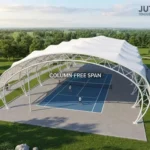
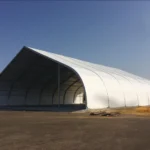
One of the important applications of tensile technology is the creation of large-span roofing systems. Tensile structures can cover substantial areas while minimizing the number of internal columns, which can be valuable for sports facilities, industrial buildings, exhibition spaces, warehouses, and public gathering areas.
The achievable span is not determined by membrane material alone. It depends on the overall structural configuration, support arrangement, cable or steel system, membrane properties, environmental loading, geometry, and engineering requirements.
Archilexis Tensile develops the roof configuration according to the specific span and functional requirements of the project.
Tensile Roof Design and Engineering
The engineering of a Tensile Building Roof involves considerably more than selecting a fabric and creating a roof shape. The complete structural system must work together to safely transfer loads from the membrane through the supporting structure and ultimately into the foundations.
Project-specific considerations may include:
- Wind loading
- Rainwater and drainage
- Snow loading where applicable
- Membrane prestress
- Roof geometry
- Steel support structure
- Cable systems where required
- Connection and edge details
- Foundation loads
- Membrane cutting patterns
- Fabric strength and coating
- Fire-performance requirements
- Access for inspection and maintenance
The roof geometry is developed to encourage effective water drainage and avoid areas where water could accumulate. Structural connections and membrane edges are also detailed according to the requirements of the individual system.
Daylight and Solar Control
One of the distinctive characteristics of membrane roofing is the ability to control the amount of daylight entering the covered space. Translucent membranes can allow diffused natural light into a building or covered area, potentially reducing the need for artificial lighting during daylight hours.
Where stronger solar screening is required, lower-transmission or opaque membrane options can be considered. The appropriate fabric should be selected according to the building’s orientation, climate, occupancy, internal temperature requirements, and intended visual environment.
Installation of Tensile Building Roofs
Professional installation is an important part of achieving the intended performance of a tensile roof.
The installation process generally begins with site verification and preparation of the supporting elements. Steel components are fabricated and assembled according to the approved structural design. The membrane is manufactured using project-specific measurements and cutting patterns before being installed and tensioned on the supporting framework.
Typical project activities may include:
- Site assessment and dimensional verification
- Structural design and engineering
- Foundation and support preparation
- Steel structure fabrication
- Membrane patterning and fabrication
- Installation of structural components
- Membrane installation and tensioning
- Connection and edge detailing
- Drainage and finishing works
- Final inspection and handover
The exact sequence varies depending on the size, geometry, access conditions, and structural configuration of the project.
Maintenance of Tensile Building Roofs
Tensile membrane roofs generally require routine inspection and maintenance to preserve their appearance and performance. Maintenance requirements depend on the membrane material, environmental exposure, roof geometry, and surrounding conditions.
Regular maintenance may include:
- Visual inspection of the membrane
- Checking structural connections and fittings
- Inspection of membrane edges and seams
- Cleaning where required
- Checking drainage outlets and gutters
- Identifying tears, punctures, or surface damage
- Inspecting steel components for corrosion
- Periodic professional inspection of the complete system
Early identification of damage can help prevent minor issues from developing into larger maintenance problems.
Why Choose Archilexis Tensile?
Archilexis Tensile provides complete Tensile Building Roof solutions, combining architectural planning, structural engineering, membrane fabrication, steel fabrication, and site installation.
Our approach is focused on developing roofing systems that are appropriate for the project’s use, structural requirements, site conditions, and architectural intent.
Our tensile roofing capabilities include:
- Customized tensile roof design
- Fabric roof structure engineering
- Large-span membrane roofing
- PVC-coated polyester membrane systems
- PTFE-coated fiberglass roofing
- ETFE membrane applications
- Steel support structure fabrication
- Membrane patterning and fabrication
- Connection and edge detailing
- Professional installation and tensioning
- New building and existing building applications
- Commercial, industrial, institutional, and public projects
Tensile Building Roof Solutions in India
From industrial and commercial facilities to sports complexes, exhibition spaces, educational campuses, public buildings, and recreational projects, tensile membrane roofing can provide an adaptable alternative to conventional roof construction.
Archilexis Tensile develops Tensile Building Roof, Tensile Fabric Roof, and Tensile Membrane Roof Structure solutions based on project-specific requirements. By combining engineered support structures with appropriately selected membrane materials, we aim to create roofing systems that provide practical coverage, architectural flexibility, and dependable long-term performance.